Kidnapping and Torture of Jamie by Christin and Davis
Call Me YoursThe Kidnapping and Torture of Jamie by Christin and Davis begins as a calculated fraud against a young heir: the pair target Jamie Cooper to obtain the deed to his mansion, then try to replace his identity with one they can control. Their attack makes the house, newly inherited and not yet secure, the setting for a struggle over both property and personhood.
The Deed as a Motive
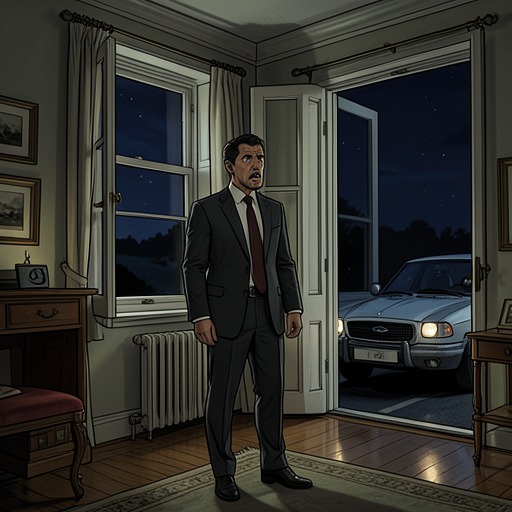
Jamie is at the mansion after moving in the previous day, with an appointment to meet his uncle’s lawyer scheduled for noon. At ten in the morning, the doorbell rings twice. A middle-aged couple introduces themselves as neighbors: the woman says her name is Christin, though everyone calls her Chris, and identifies the man beside her as her boyfriend, Davis. Their friendly entrance disguises a plan already in motion. Davis later admits that they had been watching the house since Jamie’s uncle died, waiting for an opportunity to take control of the property.
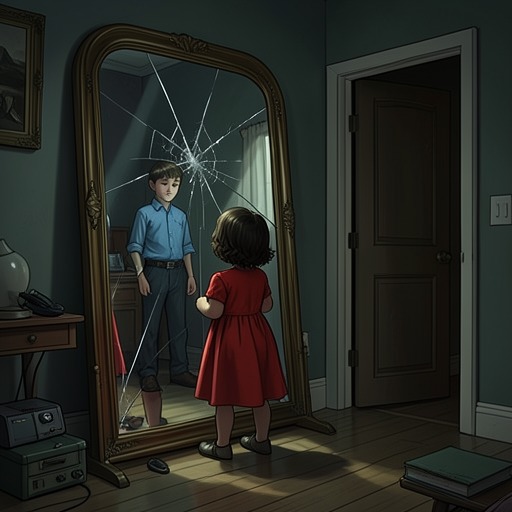
The deception turns quickly into an assault. Jamie’s sight blurs and his head spins; Christin laughs as his wineglass falls and shatters. Davis produces a gun, and the two tie Jamie’s hands and legs. They demand the mansion deed, treating his disorientation and restraint as means to make him comply. Christin presents the choice as a threat: Jamie can make matters easier by telling them whether he has the deed, or face a harder course. He says he does not have it. Davis then strikes him with the gun, and Christin holds him down as the attack continues until he loses consciousness.
The deed is not simply a valuable document in their scheme. It is the object that links the kidnapping to the couple’s larger deception: they need Jamie alive and under their control long enough to secure the mansion, while concealing the real circumstances behind his uncle’s death. The event’s opening therefore shifts the conflict from an inheritance waiting to be settled through legal channels to an immediate contest in which Jamie’s safety and identity become instruments of the theft.
Captivity and the Imposed Identity
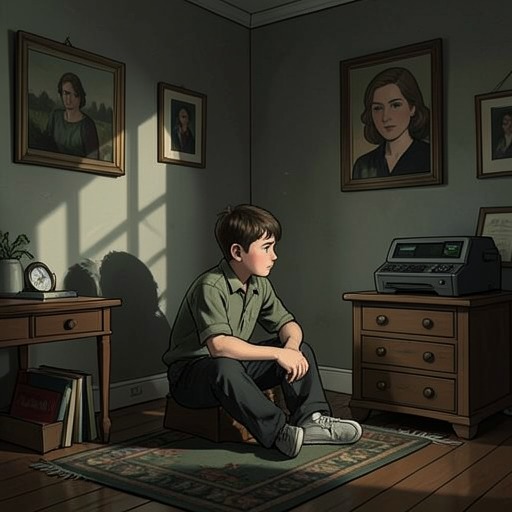
After the first assault, Jamie remained a prisoner in the mansion. He held on to the possibility that his uncle’s attorney would notice his disappearance and contact the authorities, but that hope depended on someone outside discovering what had happened. Christin and Davis instead tightened their control: Christin ordered that he be taken to the attic and the door locked, while threatening further violence to force his cooperation. His home had become not only the object of their scheme but also the space in which they could isolate him.
When Jamie continued to resist, Christin used her belt to beat him, leaving him injured and humiliated. The violence was intended to break his refusal, yet it did not make him accept their account of events. His physical vulnerability and their insistence on obedience sharpen the difference between what they claimed to offer—a way to survive—and what they were actually doing: holding him captive to take the property.
Davis then disclosed the crime behind the kidnapping. He said that he had befriended Jamie’s uncle at his favorite club, drugged him, followed him home, and set the house on fire; he told Jamie that his uncle was dead. Davis produced a replacement deed and demanded Jamie’s signature. The revelation reframes the couple’s surveillance of the mansion as part of a larger fraud: they had helped cause the death that cleared the way for the inheritance, and now sought to make Jamie’s legal position serve their plan.
Their next tactic was to rewrite Jamie’s identity as well as the deed. Christin and Davis told him to repeat that his name was Chris Davis and that he was their sixteen-year-old son, supposedly too young to take responsibility for the property until he turned eighteen. Davis held a knife to Jamie’s throat as Christin demanded that he say the name; when he stayed silent, she ordered Davis to beat him. The staged family story was therefore no harmless cover: it was a coercive attempt to keep Jamie alive only on their terms, subordinate his identity to theirs, and delay his control of the mansion.
A False Kinship as a Means of Control
The imposed family story converts the couple’s property scheme into a claim over Jamie’s future as well as his name. They cast him as their sixteen-year-old son and use his supposed age to argue that he cannot control the mansion until he is eighteen. The lie gives their coercion a counterfeit legal and domestic shape: instead of merely demanding the deed, they try to make Jamie’s captivity look like a family arrangement that will keep the property within their reach.
That strategy depends on making survival conditional on submission. Christin and Davis threaten Jamie, demand that he perform the identity they have invented, and present compliance as the price of being kept alive. The scene thus makes the forged identity more than a disguise for theft. It is another instrument of possession, aimed at replacing Jamie’s account of who he is with one that serves the couple’s control of the mansion.
Narrative Significance
The episode turns inheritance into a struggle over who has the power to define Jamie Cooper. Christin and Davis want a signature that will serve their property scheme, but they also demand that he perform a fabricated family identity. The mansion’s ownership and Jamie’s name become parallel targets: controlling the first requires suppressing the second. Their invented story of parentage gives the violence a false domestic rationale, while the threat and assault expose it as coercion.
The sequence withholds any immediate rescue or legal remedy, ending as Jamie is beaten into unconsciousness. That cutoff leaves the attempted fraud unresolved and makes the kidnapping a threshold into a more sustained campaign of captivity and identity-imposition, rather than a self-contained assault. Its central reversal is stark: the people who arrive under the cover of neighborliness are revealed as the danger, and a home associated with inheritance becomes the place where Jamie’s freedom and selfhood are attacked.